

Introduction
In the context of accelerating digital advancement, investing in technology has become an essential necessity for achieving growth and sustainability — no longer merely an optional add-on. Modern technologies have become a core part of virtually every aspect of life, from business and services to education, healthcare, and entertainment.
Startups and large enterprises alike are striving to adopt and invest in the latest technological solutions to keep pace with rapid changes and meet evolving market demands.

What Is Technology Investment?
Technology investment is defined as the deployment of financial, material, and human resources in developing or adopting modern technologies, with the aim of generating economic returns, improving operational efficiency, and raising service quality.
It is also an effective means of fostering innovation, achieving competitive advantage, and keeping pace with the rapid digital transformation sweeping across all sectors.
Forms of Technology Investment
- Startups: supporting small companies working to develop new technology products or services.
- Large corporations: investing in research and development to create new products and services or improve existing ones.
- Technology infrastructure: investing in building and developing communications networks and digital systems.
The Importance of Investing in Technology
Investing in the technology sector is a key driver of innovation and economic growth; it is not merely a conventional investment option but a strategic investment in a more advanced and efficient future.
First: Economic and Financial Importance
- Economic growth: technology investment creates new jobs and raises productivity levels.
- Attractive financial returns: the technology sector is characterized by continuous growth that enables large returns.
- Resilience to economic fluctuations: technology companies have demonstrated their ability to adapt and endure.
- Investment portfolio diversification: contributes to risk distribution and enhanced investment stability.
- Opening new markets: technological innovation enables entry into new markets and opportunities.
Second: Operational and Productivity Importance
- Increasing operational efficiency through artificial intelligence and cloud computing.
- Stimulating innovation and developing services and products.
- Improving user experience and delivering more advanced solutions.

Third: Societal Importance and Quality of Life
- Improving healthcare, education, and transportation.
- Contributing to solving global challenges such as climate change and poverty.
- Supporting entrepreneurship and turning ideas into viable projects.
- Strengthening cybersecurity and data protection.

Fourth: Strategic and Competitive Importance
- Strengthening the global competitiveness of companies.
- Supporting digital transformation and improving performance.
- Attracting foreign direct investment.
Why Is Investing in Technology a Necessity, Not a Choice?
"The only strategy guaranteed to fail is not taking risks."
- Maintaining competitiveness.
- Keeping pace with accelerating digital transformation.
- Achieving economic growth.
- Improving efficiency and reducing costs.
- Cybersecurity and digital sovereignty.
Forms and Types of Investment in the Technology Sector
Forms of Investment by Financial Mechanism
- Direct investment.
- Investment funds.
- Capital markets.
- Venture capital.
Types of Investment by Technology Domain
- Artificial intelligence and generative AI.
- Cloud computing.
- Cybersecurity.
- Internet of Things.
- Blockchain and cryptocurrencies.
- FinTech and HealthTech.
- Virtual and augmented reality.
- Research and development.
Technology Investment in Saudi Arabia
Saudi Arabia — with Riyadh as its capital — is one of the most prominent technology investment destinations in the region, backed by the ambitious Vision 2030 and a comprehensive legislative framework.
Saudi Vision 2030 and Digital Transformation
His Royal Highness Prince Mohammed bin Salman launched Saudi Vision 2030 as a comprehensive roadmap to diversify the national economy and shift toward a digital economy.
- Increasing the contribution of the digital economy to GDP.
- Developing digital infrastructure.
- Attracting foreign investments.
- Empowering Saudi youth in the technology sector.
- Transforming Riyadh into a global technology hub.
The Investment System in Saudi Arabia
- Guaranteeing the rights of local and foreign investors.
- Facilitating the establishment of technology companies.
- Protecting intellectual property.
- Providing tax incentives for technology projects.
- Promoting transparency and dispute resolution.
Key Government Digital Authorities in Saudi Arabia
| Authority | Mandate | Website |
|---|---|---|
| SDAIA | Artificial intelligence and data | sdaia.gov.sa |
| Communications, Space and Technology Commission | Communications and cloud computing | cst.gov.sa |
| Digital Government Authority | Government digital transformation | dga.gov.sa |
| National Cybersecurity Authority | Cybersecurity | nca.gov.sa |
| Ministry of Communications and Information Technology | Technology strategy and digital transformation | mcit.gov.sa |
Riyadh: Capital of Technology and Innovation
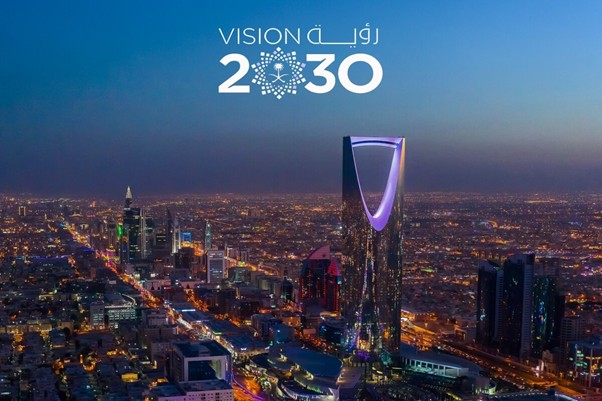
Riyadh leads the technology scene in the region, hosting the largest technology clusters, accelerators, and investment funds in the Middle East.
- Headquarters of the Public Investment Fund.
- Regional hub for global technology companies.
- A supportive environment for venture capital.
- Host of global technology conferences.
Leading Technology Sectors Attracting Investment
- Artificial intelligence.
- Cloud computing.
- Cybersecurity.
- Internet of Things.
- Blockchain and cryptocurrencies.
- FinTech and HealthTech.
- Virtual and augmented reality.
- Digital payment systems.
Conclusion
Investing in technology is not a luxury — it is an economic and strategic investment that guarantees growth, prosperity, and competitiveness.
Saudi Arabia represents an inspiring model of comprehensive technological transformation, where political, legislative, and institutional will converge to build a thriving digital economy.
Riyadh today is not merely a political capital — it is a technology and innovation capital leading the march of digital transformation in the region and the world.